The Invisible Poison

Exposing the Environmental Injustice of Diesel Generators in Benin City, Nigeria

The Hidden Cost of Electricity

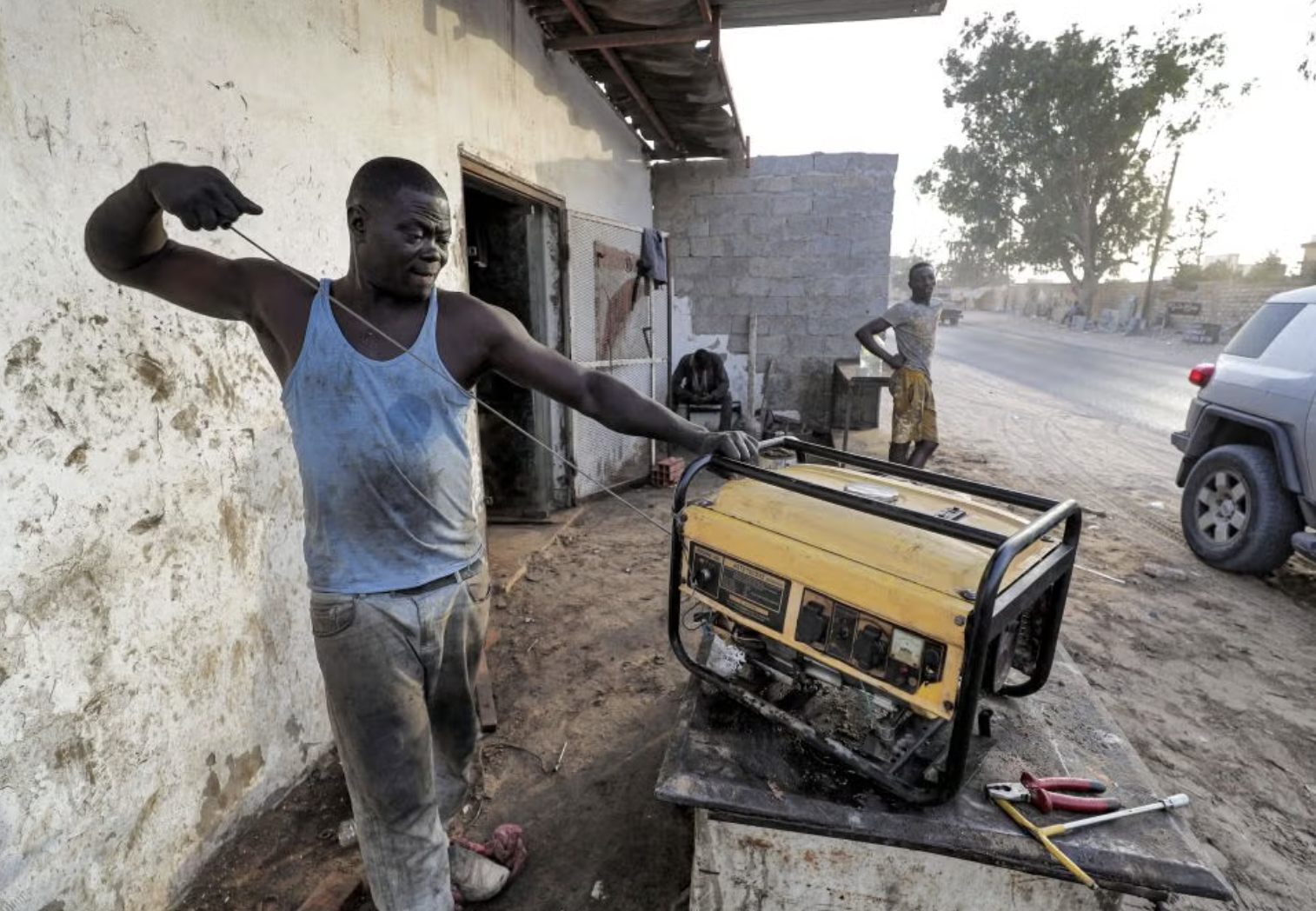
In Nigeria, the hum of diesel backup generators is a daily soundtrack. As the country grapples with one of the world’s most unreliable power grids, these backup machines have become a lifeline for millions. But that lifeline comes with a steep price: toxic air, serious health risks, and rising carbon emissions.

During my trip to Nigeria, I witnessed the issue firsthand. The moment I stepped off the plane, I was hit by the thick, metallic scent of fuel. That smell lingered through the airport, along city roads, and into people’s homes. It wasn’t just an unpleasant odor. It was a warning sign of a deeper problem.

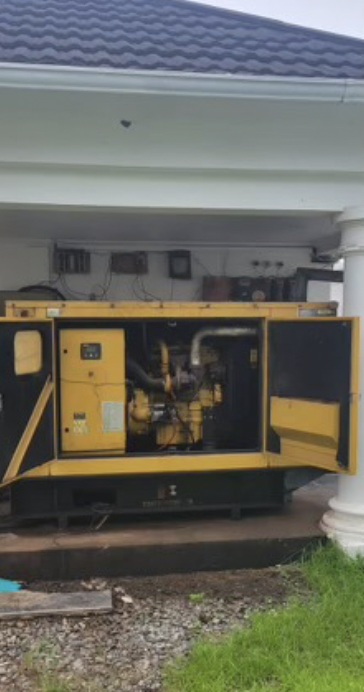
The smell came from the country’s widespread use of diesel generators. With the national grid supplying electricity inconsistently (often just a few hours each day) most households and businesses rely on diesel-powered machines to keep the lights on.

Why This Matters: Millions in Nigeria rely on toxic diesel generators for basic energy, exposing themselves to dangerous pollution every day. Many African countries face similar challenges, but these issues are often overlooked, largely because they don’t affect wealthy communities.
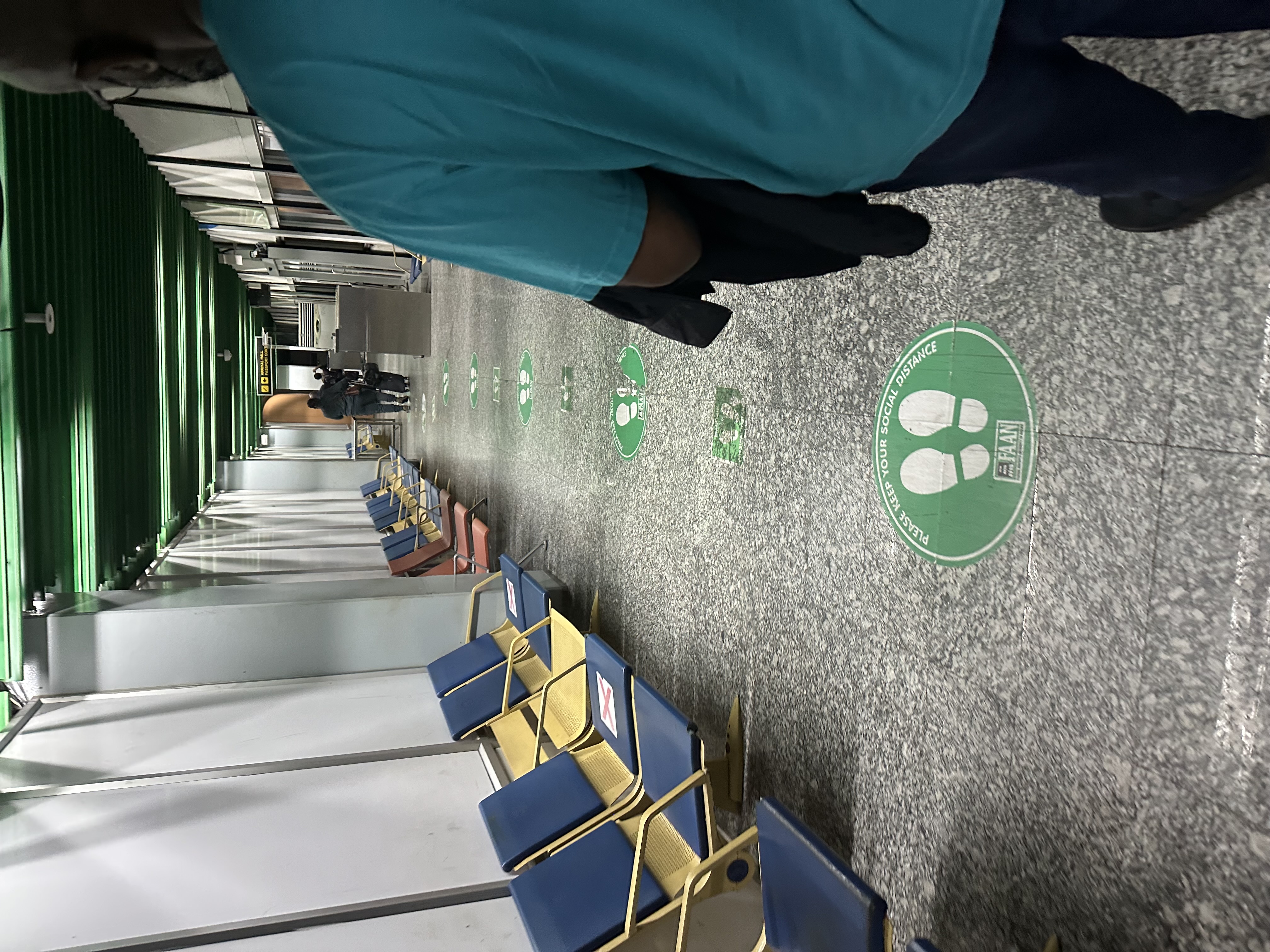
The Airport
The Airport

Home

House

The Street

The Street

A Nation in the Dark Powered by Fumes

Despite ₦5 trillion ($3.2 billion USD) invested in electricity, unreliable power forces millions to depend on deadly diesel generators.

The Shocking Reality

₦5 Trillion

Government Investment

150M+

Still Without Reliable Power

About 70% of the population earns less than $3.20 a day, making it difficult to afford even the fuel to run a generator.

4 Hours

Average daily electricity access for most citizens (typically early in the morning).

206

Power grid collapses 2010 and 2019 alone.

22M

Diesel generators imported since 2019.

51M Tons

of CO₂ emitted annually comparable to the annual emissions of New York City. to New York City.

Generator Emissions Are Worse Than Cars

Unlike vehicle emissions, which have environmental regulations, Nigeria has no policies monitoring generator pollution. With generators being the primary power source for most homes, their environmental impact far exceeds that of automobiles.

A Silent Killer

The Deadly Chemistry of Diesel Exhaust

Diesel exhaust contains a toxic cocktail of over 40 hazardous pollutants. The most dangerous component is Diesel Particulate Matter (DPM) tiny carbon particles coated with carcinogenic compounds.

Proven Dangers

  • US EPA: Lists 40 contaminants in diesel fuel as hazardous air pollutants
  • IARC: Identified 15 of the contaminants as cancer-causing carcinogens
  • Research: Prolonged exposure to diesel generators increases lung cancer risk by 70%

What's Inside DPM?

  • PM2.5 particles: Penetrate deep into lungs and bloodstream
  • PAHs (Polyaromatic Hydrocarbons): Known carcinogens
  • Heavy metals: Toxic to organs and nervous system
  • Hydrogen sulfide: Disrupts respiratory enzymes, cause serious respiratory issues, memory loss, and even miscarriage

Composition of a Diesel Particle

PAHs (Carcinogens) Heavy Metals Sulfate & Nitrate Organic Carbon Carbon Core

The Human Cost

64 Deaths

Recorded by NEPA from carbon monoxide poisoning due to poor ventilation with generators

Healthy Lung Lung with Cancer

These particles are small enough to be inhaled deep into the lungs, where they can trigger inflammation, respiratory diseases, and cancer. It is especially concerning because it can enter the bloodstream and affect other organs. Research shows that long-term exposure to diesel exhaust significantly increases the risk of lung cancer. In animal studies, diesel fumes have caused both benign and malignant tumors. Other reported effects in humans include headaches, nausea, irritation of the eyes and throat, and decreased lung function.

Harnessing the Sun

Nigeria receives abundant sunlight year-round, making solar energy the perfect solution. Companies and innovative technologies have started transforming lives.

Leading the Solar Revolution

Hansa Energy & Arnergy

This pioneering company is installing solar systems across Nigeria, bringing clean energy directly to households and businesses that need it most.

Amped Solar Generators

These genrators are being introduced to Nigeria to mitgate the pollution concerns. For those who can’t access the grid, solar-powered backup systems from Amped offer a cleaner alternative.

Hub 6400: Powers fans, refrigerators, TVs with 1200W capacity

Hub 12800: Powers heavy appliances like water pumps, freezers

Three Paths to Energy Independence

Grid-Tied

Sells excess power back to the grid for credits, reducing electricity bills.

Off-Grid

Complete energy independence with battery storage for 24/7 power.

Hybrid

Best of both worlds: battery backup plus grid connection for maximum reliability.

Solar Plant Succes: Lloulofin Solar Power Station

50MW Total Capacity

25MW operational since July 2022, remaining 25MW coming in 2025

180,000 People Served

Clean energy integrated into Benin's national grid for 25 years

23,000 Tons CO₂ Avoided

Annual emissions reduction equivalent to removing thousands of cars

International Partnership

Funded by:

European Union • French Development Agency • Beniese Electricity Company

My Take on the Solution

From classroom learning to real-world impact—how a hands-on experiment became a catalyst for change.

After studying solar panel systems, I designed a hybrid energy model based on my grandad’s house in Nigeria, one that was more cost-efficient and easier to install. Over time, I built a 3D replica of the house and a working mini solar circuit that stored energy in a battery, showing how solar power could act as a cleaner, more reliable backup when the national grid failed. I also refined the design to make future installations simpler and more accessible. To demonstrate its potential, I recorded the model powering a lightbulb outdoors. What began as a small experiment grew into real impact: I used my project to help advocate for my family abroads transition to solar energy. This then led me to hosting virtual webinars with Nigerian students about the importance and possibilty of sustainible living.

Why This Story Needs Telling

This isn’t just a story about power outages or technology. It’s about environmental justice.

Diesel generators might be keeping the lights on in Nigeria, but they are also poisoning the air and threatening public health. Without action, the cost of inaction will only grow, measured not just in emissions or statistics, but in lives. This isssue may seem far a away, but it will play a crucial role in the worlds warming climate. We can no longer afford to ignore what’s happening.

Social Determinants of Health (SDOH) Challenges

Missing Foundations

  • Safe shelter and transportation
  • Clean water and air quality
  • Equal job opportunities
  • Access to education and healthcare
  • Discrimination-free environment

The Vicious Cycle

Without reliable electricity, families can't access quality education, healthcare, or economic opportunities. They're forced into a dangerous dependence on diesel generators, perpetuating health risks and poverty.

Connected to UN Sustainable Development Goals

In 2015, the United Nations outlined 17 Sustainable Development Goals (SDGs) to guide global efforts toward peace and prosperity. These include eliminating poverty, improving health, and fighting climate change. But none of those goals can be met without clean, reliable energy.

1
No Poverty

Generator costs trap families in poverty cycles

3
Good Health

Clean air is a basic human right

7
Clean Energy

Affordable, reliable, sustainable energy for all

13
Climate Action

Urgent action to combat climate change

Time for change

Advocate

Support policies promoting renewable energy and stricter emissions standards for generators.

Invest

Choose solar solutions to reduce dependency on harmful diesel generators.

Amplify

Share this story. African environmental crises deserve global attention and action.

References

Amped. (n.d.). WOWSOLAR™ Generators. Retrieved from ampedinnovation.com/products-solar-generators

Bambi, J. F. (2021, February 1). Oil rich, electricity poor. What will it take to solve Nigeria's energy crisis? Africa.com. Retrieved April 2, 2024.

Diesel Exhaust. (n.d.). U.S. Department of Labor. Retrieved from osha.gov/diesel-exhaust

Healthy People 2030, U.S. Department of Health and Human Services, Office of Disease Prevention and Health Promotion. (n.d.). Healthy People. Retrieved from health.gov/healthypeople/objectives-and-data/social-determinants-health

Hime, N. (2016). Health impacts of particulate matter in diesel emissions [Video]. YouTube. Retrieved from youtube.com/watch?v=FoW6cbxprIs

Illoulofin Solar Power Station. (n.d.). In Wikipedia. Retrieved May 12, 2024, from wikipedia.org/wiki/Illoulofin_Solar_Power_Station

Mulyungi, P. (2021, December). Illoulofin Solar Power Plant Capacity to Increase from 25 to 50 MWP. Retrieved from constructionreviewonline.com

National Institute of Environmental Health Sciences (NIEHS). (2000). RoC Profile: Diesel Exhaust Particulates; 15th RoC 2021. Report on Carcinogens, Fifteenth Edition. Retrieved April 28, 2024.

Nigerian energy supply crisis. (n.d.). In Wikipedia. Retrieved April 20, 2024, from wikipedia.org/wiki/Nigerian_energy_supply_crisis

Oguntoke, O. (2016, February). Degradation of urban environment and human health by emissions from fossil-fuel combusting electricity generators in Abeokuta metropolis, Nigeria. ResearchGate. Retrieved May 5, 2024.

Olson, A. (n.d.). Exposure to Diesel Motor Exhaust and Lung Cancer Risk in a Pooled Analysis from Case-Control Studies in Europe and Canada. ResearchGate. Retrieved from researchgate.net

Over 100 Million Nigerians Without Access To Reliable Electricity, 70% Of Power Consumed By Households. (2024, March 2). AriseNews. Retrieved April 13, 2024.

Republic. (n.d.). Amped Innovation. Retrieved May 12, 2024, from republic.com/amped-innovation

The 17 goals. (n.d.). United Nations. Retrieved from sdgs.un.org/goals

United Nations. (n.d.). Sustainable Development Goals. Retrieved from sdgs.un.org/goals

Zientara, B. (n.d.). Diagram [Photograph]. Solar Reviews. Retrieved from solarreviews.com